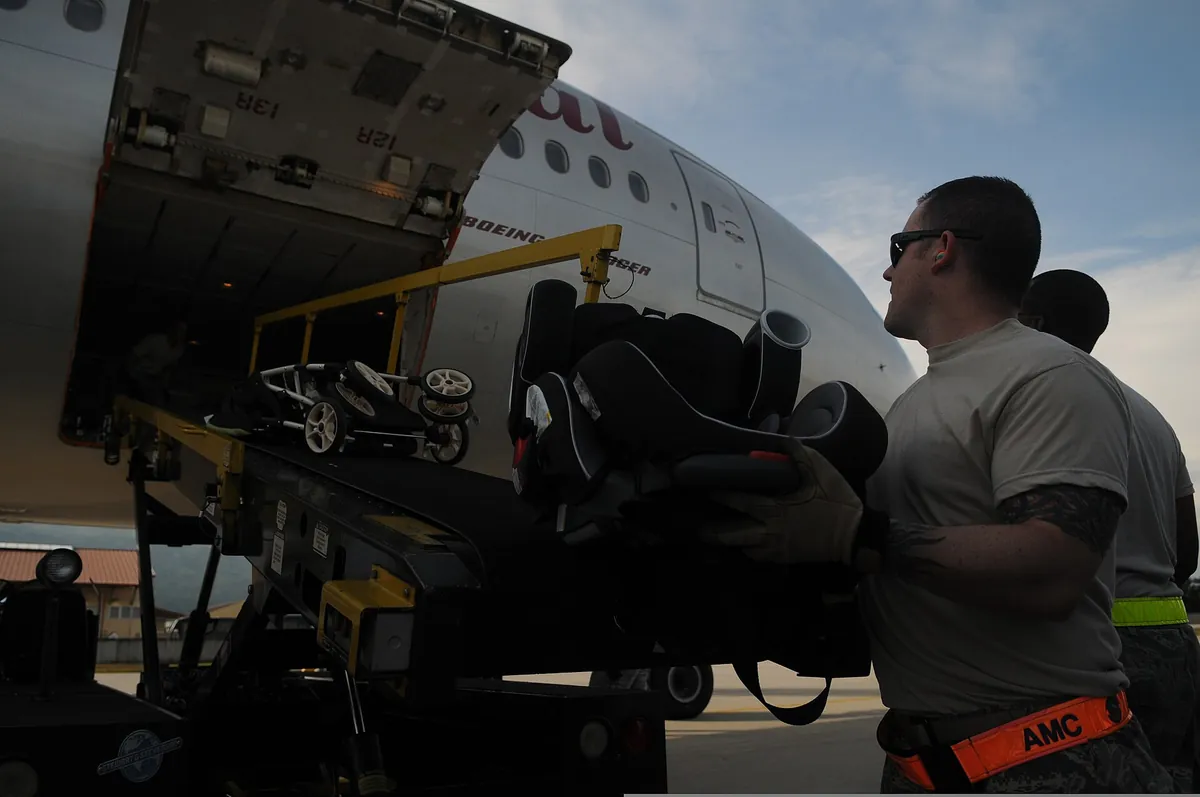
Can You Bring a Car Seat on a Plane? What the FAA Actually Says
Yes, you can bring a car seat on a plane. You have three options: install it in a seat you bought for your kid, gate-check it at the jet bridge, or check it at the counter with your bags. Most major US airlines take car seats without charging a bag fee, but policies vary, so check your airline's page before you fly.
The part that causes arguments at the gate is using the car seat on the plane. That has real rules, and they come from the FAA, not from whichever flight attendant you get. Below is what the FAA actually says, how each option compares, and the exact words to use if someone tells you your seat is not allowed. If you are still choosing a seat to travel with, our guide to the best lightweight travel car seats compares weights, widths, and which ones carry the aircraft label.
What the FAA rules say about car seats on planes
Here is the short list, straight from the FAA's Flying with Children page and its page on child restraint systems.
- The label is everything. A US seat must say "This restraint is certified for use in motor vehicles and aircraft." Seats approved by a foreign government need that government's marking. No label, no seat on the plane.
- It has to be a hard-backed seat. The FAA bans booster seats, backless seats, and baby carriers during ground movement, takeoff, and landing.
- Width matters. The FAA says a seat no wider than 16 inches should fit most airplane seats.
- Seat location. A car seat cannot block anyone's path to the aisle, so it never goes in an exit row, and many airlines require a window seat.
- The airline has to work with you. If your approved seat does not fit the seat you paid for, the airline must accommodate it in another seat in the same class of service.
- Install it per the manual. Face it the direction the label says for your kid's size. If it cannot be secured in an airplane seat, you may be asked to check it.
Car seat onboard vs gate check vs checked bag
My take: if you bought the seat, use the car seat in it. If you did not, gate-check. Checking it at the counter is the last resort, mostly because it spends the longest time in the baggage system.
| Option | Need a Purchased Seat? | Label Required? | Risk of Damage | Best For |
|---|---|---|---|---|
| Use it onboard | Yes | Yes | Lowest, it never leaves your sight | Under 2s with their own ticket, harnessed toddlers |
| Gate-check | No | No | Medium, shorter trip through baggage handling | Lap babies, or when you need the seat at the curb |
| Check at the counter | No | No | Highest, longest time in the system | Booster-age kids, or seats too heavy to haul |
Whichever way it travels below the cabin, bag it, and look it over when you get it back: cracks in the shell, a bent frame, straps that twist or will not tighten. If anything looks off, call the manufacturer before you trust it in the rental car.
How to install a car seat on an airplane seat
It is the same idea as a car with a lap belt, only with less room and an audience. The steps that work for most seats:
- Board early. Ask for pre-boarding for families. Installing a seat while 150 people shuffle past you is a special kind of sweat.
- Raise the armrest on the aisle side of the window seat if the base is wide, then set the seat down facing the way its label says for your kid.
- Route the airplane lap belt through the correct belt path from your manual (rear-facing and forward-facing paths are usually different).
- Buckle it, then tighten. Push down into the car seat with your knee or hand and pull the belt tail tight. Less than an inch of side-to-side movement at the belt path is the usual target, same as in a car.
- Harness the kid the way you would at home. Snug straps, chest clip at armpit level.
Rear-facing seats take up more front-to-back room, so the passenger in front of you may not be able to recline all the way. Being polite about it up front buys a lot of goodwill. A tablet and a decent pair of kids headphones for flights buy the rest.
What to say if a flight attendant pushes back on your car seat
Most crews know the rules. Every so often you get one who does not, and it is usually at the worst possible moment. Stay calm, show the label, and use the FAA's words.
Take a photo of the label on your phone before the trip, so you can show it without flipping the seat over in the aisle. If it still is not resolved, ask politely for the lead flight attendant.
Getting a car seat through TSA security
Per the TSA's guidance for families, car seats go through the X-ray like any other bag. Fold what folds, take out loose items, and put it on the belt. If the seat is too big for the machine, officers will inspect it by hand. And never send a child through the X-ray in an infant carrier, which is a sentence I cannot believe needs writing, but here we are. The rest of the airport day (snacks, naps, meltdowns at boarding) is in our tips for flying with kids.
Car seats worth flying with
You can fly with any seat that has the aircraft label. The ones below are worth it if your everyday seat weighs as much as a carry-on. Specs come from manufacturer listings; always go by the label on the seat in your hands.
| Product | Weight | Width | Price | Use Onboard? |
|---|---|---|---|---|
| Evenflo Tribute LX | ~9 lbs | ~18.5 in | $99.99 | Yes |
| WAYB Pico | 8 lbs | 14.75 in | $619.00 | Yes, age 2+ |
| J.L. Childress Gate Check Bag | Light | N/A | $14.29 | No, for checking |
Prices as of Nov 11, 2026, 12:58 PM UTC. Product prices and availability are accurate as of the date/time indicated and are subject to change. Any price and availability information displayed on Amazon.com at the time of purchase will apply to the purchase of this product.

Evenflo Tribute LX: The Light Seat for Babies and Young Toddlers
- Seat weight: about 9 lbs
- Width: about 18.5 in at the widest point
- Rear-facing: 5 to 40 lbs
- 5-point harness
- Certified for aircraft use: yes, check the label on your seat
If you are going to carry a car seat through an airport and install it in a coach seat, weight matters more than anything else on the spec sheet. The Tribute LX is about 9 pounds, rear-faces from 5 pounds, and costs around a hundred bucks, which is why it shows up on nearly every travel list. The trade-off owners mention again and again is lifespan: the 40-pound cap means a big 3-year-old is done with it. As a dedicated travel seat for a baby or young toddler, that does not matter much.
- One of the lightest harnessed convertibles available
- Rear-faces, so it works for babies past the infant carrier stage
- Cheap enough that a scuff from the gate-check pile is not a tragedy
- Wider than the FAA's 16-inch guideline, so a tight seat may need the armrest up
- 40-lb harness limit

WAYB Pico: The Narrow, Foldable Seat for Kids 2 and Up
- Seat weight: 8 lbs
- Width: 14.75 in
- Forward-facing only, 26.5 to 50 lbs and 33.5 to 45 in per the current listing
- Folds, aluminum frame
- Certified for aircraft use: yes
At 14.75 inches wide, the Pico is one of the few seats that slides under the FAA's 16-inch guideline with room to spare, which is the whole width problem solved. It folds, it weighs 8 pounds, and it is just as useful in taxis and rideshares once you land. It is forward-facing only, so it is for kids who have truly outgrown rear-facing, and the price is steep. If you fly a few times a year with a preschooler, it pays you back in shoulder pain avoided.
- Narrowest seat we recommend, fits most coach seats
- 8 lbs and folds small
- Doubles as a taxi and rental car seat
- Expensive
- Forward-facing only

J.L. Childress Gate Check Bag: Cheap Insurance If You Check It
- Fits most car seats and infant carriers
- Bright red so you can spot it on the jet bridge
- Drawstring closure, folds into its own pouch
If the seat is going under the plane, put it in a bag. A bag will not protect against a hard drop, but it keeps straps and buckles from snagging on the baggage system and keeps the fabric out of whatever is on the cargo hold floor. The common owner complaint is that thin material can tear after many trips, which at this price is a fair trade.
- Inexpensive
- Easy to spot when it comes back
- Packs small
- Thin fabric, not padded
- Not a substitute for inspecting the seat after the flight
What about boosters and the CARES harness?
Boosters are not allowed for taxi, takeoff, and landing, so a booster-age kid uses the airplane seat belt. Stash a compact travel booster in your bag for the car at the other end.
For toddlers who are done with a car seat on the plane, the CARES harness is the one FAA-certified alternative: kids 22 to 44 pounds and up to 40 inches tall, sitting upright in their own seat. It works only on aircraft, not in cars, and the FAA warns that counterfeit CARES devices are sold online, so buy it directly from the manufacturer.
Frequently Asked Questions
Do I have to buy my baby a seat to bring a car seat on the plane?
To use the car seat onboard, yes. Buying a ticket is the only way to guarantee a seat for it. Without a ticket, you can still bring the car seat and gate-check it, or use it in an empty seat if the airline allows.
Does a car seat count as a carry-on?
Most major US airlines do not count a car seat toward your carry-on or checked bag allowance, and gate-checking is usually free. Policies differ by airline, so confirm on your airline's site before you fly.
Can a car seat go in the aisle seat?
Generally no. The FAA says a car seat cannot block the path to the aisle, and many airlines require a window seat. It can never go in an exit row.
How do I know if my car seat is FAA approved?
Look for a sticker that reads "This restraint is certified for use in motor vehicles and aircraft," usually on the side or back of the shell. Boosters and backless seats are not approved for takeoff and landing, even with a label.
The Short Version
- You can bring a car seat on a plane three ways: onboard in a purchased seat, gate-checked, or checked at the counter.
- To use it onboard, the seat needs the label "certified for use in motor vehicles and aircraft."
- The FAA says seats 16 inches wide or narrower fit most airplane seats; if yours does not fit, the airline must move you within the same class.
- Boosters, backless seats, and baby carriers are banned during taxi, takeoff, and landing.
- The CARES harness is FAA-certified for kids 22 to 44 lbs and up to 40 inches, aircraft only.
- Light picks for flying: Evenflo Tribute LX (about 9 lbs) for babies and young toddlers, WAYB Pico (8 lbs, 14.75 in) for kids 2 and up.
Sources and Further Reading
Bringing a car seat on a plane: the bottom line
Can you bring a car seat on a plane? Absolutely, and if your kid has their own ticket, using it onboard is the safest seat on the aircraft for them. Check for the label, aim for 16 inches wide or less, book the window, and screenshot the FAA page before you leave. If you are checking it instead, bag it and inspect it when it comes back up the jet bridge.
Affiliate + Accuracy Disclosure
As an Amazon Associate, I earn from qualifying purchases. Product specs, pricing, and availability can change. Please verify current details on Amazon before buying. Recommendations are based on published specs, owner feedback, and practical dad-focused use cases.